Storefront Glass and Doors in Meridian, ID: A Business Owner's Guide
A storefront does more selling than most people realize. Before a customer reads your sign or sees a single product, they notice the glass: whether it is clean and clear, whether the door swings shut on its own, and whether the whole entrance looks cared for. In a city growing as fast as Meridian, that first impression matters more every year.
At Roadrunner Glass Co., we install, repair, and replace commercial storefront glass in Meridian for retail shops, restaurants, professional offices, and strip centers. A storefront is an aluminum framed wall of glass with a commercial entrance door built into it. The right system pairs safety rated glass, a frame sized for your opening, and door hardware built for constant traffic.
This guide walks through how storefront systems are put together, which glass and door options make sense in the Treasure Valley, what the building code expects, and how to tell whether your current entrance needs a repair or a full replacement. We have been in the glass trade since 1966, and these are the same questions Meridian business owners and property managers ask us on almost every site visit.
What Counts as Storefront Glass on a Meridian Building
The word storefront gets used loosely, so it helps to define it. In the glass trade, a storefront system is a framework of extruded aluminum that holds large panes of glass at ground level, usually running from the floor or a low curb up to around ten or twelve feet. The entrance door, its frame, and any transom glass above it are part of the same assembly. Taller, multistory glass walls on office buildings are usually curtain wall, which is a different system with different engineering.
Around Meridian you see storefront systems everywhere once you start looking. They line the shops along Eagle Road, the restaurants and retailers near The Village at Meridian, the newer mixed use buildings around Ten Mile, and the older brick fronts on Main Street in downtown Meridian. Medical and dental offices, salons, banks, gyms, and multitenant strip centers all rely on the same basic system.
Most of the commercial calls we get fall into a few groups:
- New storefront glass and entrance doors for a tenant improvement or buildout
- Replacement of broken, cracked, or fogged storefront panes
- Door repairs, including closers, pivots, hinges, and locks that have worn out
- Full replacement of an outdated storefront with a modern aluminum system and insulated glass
- Interior glass walls and partitions that tie into the storefront look
The Parts of a Commercial Storefront System
Every storefront has three main parts: the aluminum frame, the glass, and the entrance. Understanding each one makes it much easier to compare quotes and to see where your money actually goes on a storefront glass and door project .
Aluminum Framing
Storefront framing is extruded aluminum, typically with a frame depth around four and a half inches and a face width close to one and three quarter inches. Frames come in clear anodized, dark bronze, and black finishes, along with painted colors that can match a building's brand or trim. Glass can be set from the outside or the inside of the frame, and the choice affects how easy future glass replacement will be.
For Treasure Valley buildings, we strongly prefer thermally broken framing. A thermal break is a strip of low conductivity material inside the frame that keeps cold from traveling straight through the aluminum. Without it, the inside face of the frame gets cold in January, condensation forms along the sill, and heating bills climb. With it, the frame stays closer to room temperature and the glass performs the way it was rated to perform.
The Glass
Commercial storefront glass is rarely a single sheet of ordinary glass anymore. Most new storefronts in Meridian use one inch insulated glass units, which are two panes of glass separated by a sealed spacer with an air or argon filled space between them. The panes themselves are usually tempered, laminated, or a combination of both, depending on where they sit in the wall and what the code requires.
The Entrance Doors
Storefront doors are classified by the width of the vertical frame members, called stiles. Narrow stile doors have the slimmest profile and the most glass. Medium stile doors add strength and room for heavier locks. Wide stile doors are the heaviest duty option and suit high traffic entrances, schools, and public buildings. A single door is commonly three feet wide by seven feet tall, and pairs are common where more width is needed for deliveries or larger crowds.
Safety Glass Rules That Apply to Every Storefront
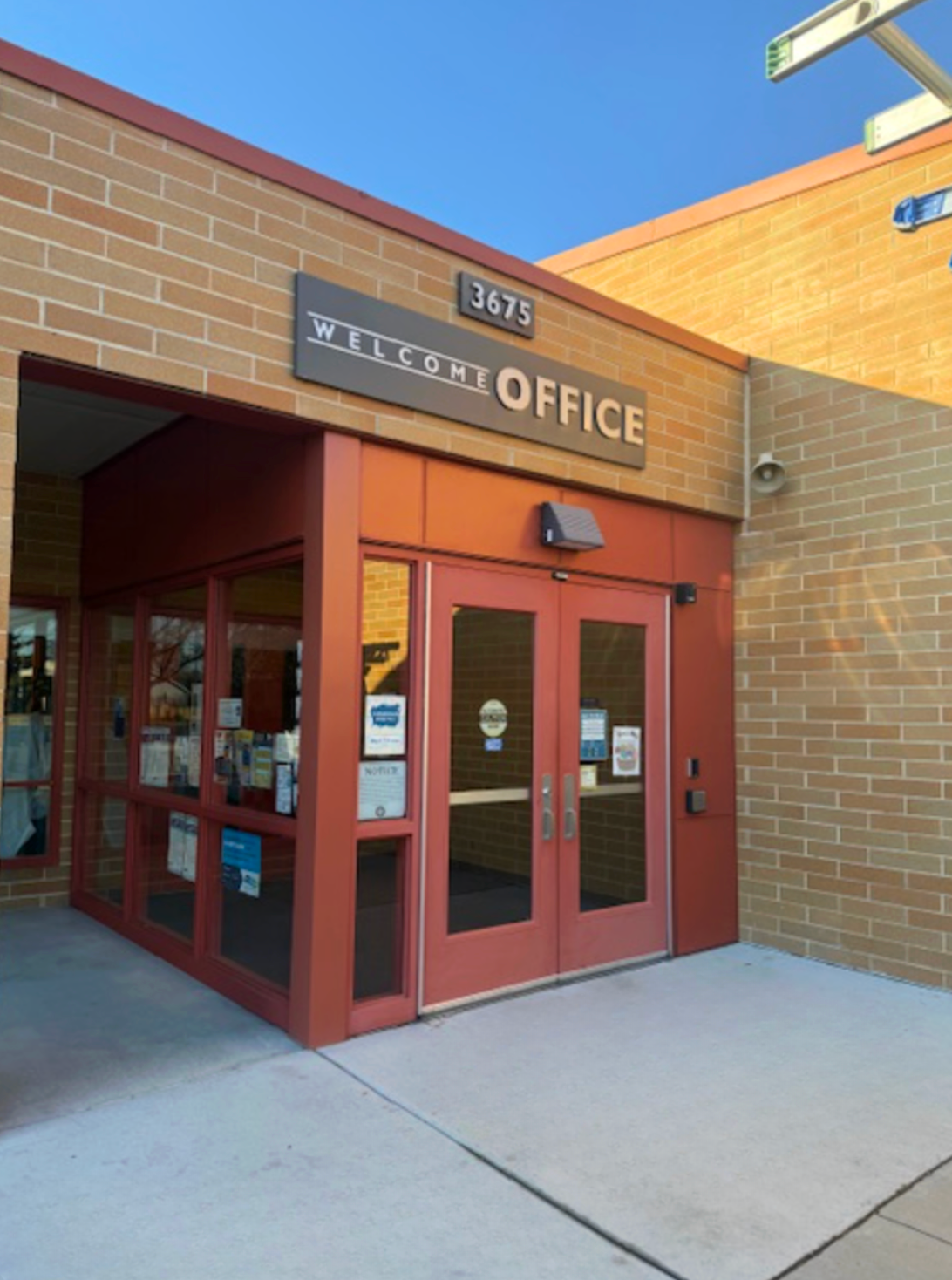
Commercial glass is regulated for good reason. Storefront doors and the glass right next to them take bumps, slammed doors, carts, strollers, and the occasional vehicle in the parking lot. When glass in those spots breaks, it has to break in a way that does not cause serious injury.
The International Building Code, as adopted in Idaho, identifies hazardous locations where safety glazing is required. Those locations include glass in doors, glass beside doors, large panes close to the floor, and glass near walking surfaces. Safety glazing in these areas must meet the federal standard CPSC 16 CFR 1201 for architectural glazing or the industry standard ANSI Z97.1, depending on the application.
Here is what that means in plain terms for a Meridian storefront:
- Door glass is almost always tempered or laminated safety glass, and doors with any single pane larger than nine square feet must meet the stricter Category II impact test
- Sidelites and panes within about two feet of a door usually require safety glass
- Large panes that sit close to the floor near a walkway generally require safety glass
- Each piece of safety glass carries a permanent mark, often called a bug, in the corner that identifies the product and the standard it meets
Accessibility rules matter too. The ADA Standards for Accessible Design call for a clear door opening of at least 32 inches, thresholds no taller than one half inch, and hardware that can be operated without tight grasping or twisting. When we spec a new entrance, we choose closers, pulls, and thresholds that keep your door accessible from the day it is installed.
Choosing Glass for Meridian Weather and Traffic
Meridian storefronts deal with a wide swing in conditions. Summer afternoons in the Treasure Valley can push past 100 degrees, west facing glass bakes in the late day sun, and winter mornings bring hard freezes and wind across the open valley floor. The right glass makes a storefront comfortable inside without hiding your merchandise.
Insulated Glass Units
Insulated units are the standard for exterior storefronts because they cut heat loss in winter and heat gain in summer. They also reduce condensation and soften traffic noise from busy roads like Eagle Road, Fairview Avenue, and Chinden Boulevard. When an insulated unit fails, the seal breaks and moisture gets trapped between the panes, which shows up as fog or streaks you cannot wipe away.
Low E Coatings
Low emissivity coatings are microscopically thin metallic layers that reflect heat while letting visible light through. On a west or south facing storefront, a solar control Low E coating can make a real difference in afternoon comfort and fading of products near the window. Suppliers like Cardinal and Guardian offer a range of coatings, and we help you pick one that keeps the glass clear enough for window displays.
Laminated Glass for Security
Laminated glass has a plastic interlayer bonded between two panes. When it breaks, the pieces stay attached to the interlayer instead of falling out of the frame. That makes laminated glass a smart choice for businesses that worry about smash and grab break ins, because the opening stays closed until the glass can be replaced. It also blocks most ultraviolet light, which helps protect products on display.
Tinted and Decorative Options
Tinted glass in gray or bronze cuts glare and gives a building a finished look. Frosted or patterned glass works well for transoms, conference rooms, and medical offices that need privacy at eye level while keeping daylight. Vinyl graphics can be added later, but starting with the right base glass usually looks better and lasts longer.
Storefront Doors and Hardware That Hold Up to Daily Use
The glass gets most of the attention, but the door hardware decides how a storefront feels every single day. A door that drags, slams, or will not latch makes a business look neglected, and it can become a security and safety problem quickly.
- Pivots and hinges: Offset pivots and center hung pivots are common on storefront doors. Continuous hinges spread the load along the full height of the door and hold up well on heavy traffic entrances.
- Closers: Surface mounted closers are easy to service. Overhead concealed closers hide inside the header for a cleaner look. Either one needs to be adjusted correctly so the door closes fully without slamming.
- Exit devices: Panic hardware, often called push bars, is required on many assembly and educational occupancies once the occupant load reaches 50 people. Restaurants, gyms, churches, and event spaces often fall into this group.
- Locks: Storefront doors typically use a deadlock with a long throw bolt, and many businesses add electric strikes or access control that ties into a keypad or card reader.
- Thresholds and weatherstripping: A worn threshold or missing sweep lets in cold air, dust, and water. These are inexpensive parts that make a big difference in comfort.
Many of the service calls we handle around Meridian are not about glass at all. They are about a closer that leaks oil, a pivot that has worn out, or a lock that no longer lines up with the strike. Catching those problems early keeps the door from damaging the frame and the glass around it, and it keeps your commercial entrance doors working the way they should.
Repair, Reglaze, or Replace Your Storefront?
Not every tired storefront needs to be torn out. Sometimes a single pane replacement or a hardware tune up solves the problem for years. Other times, patching an old system just postpones a bigger bill. These are the signs we look for when we evaluate a Meridian storefront.
Signs a Repair or Reglaze Makes Sense
- One or two panes are cracked or broken, but the frame is straight and solid
- An insulated unit has fogged, but the rest of the glass and framing is in good shape
- The door closes poorly because of a worn closer, pivot, or hinge
- Gaskets or sealant have shrunk or cracked, but the aluminum is sound
Signs a Full Replacement Is the Better Investment
- The framing is not thermally broken and you fight condensation or frost along the sills every winter
- Multiple insulated units have failed across the storefront
- The aluminum is bent, corroded, or damaged from impacts
- The door no longer meets current accessibility or exit hardware requirements
- A new tenant or rebrand calls for a different layout, door location, or finish
An honest assessment is the most valuable part of a site visit. We focus on quality commercial projects rather than quick patch repairs, so if replacing a few parts will give you reliable years of service, we will tell you that. If the system is past its useful life, we will explain why and show you the options.
What Affects the Cost of a Storefront Project
Every storefront is custom, so we price each project after measuring the opening and talking through what the space needs. Rather than guess at a number, it helps to understand what moves a quote up or down.
- Size and number of openings: More linear feet of framing and more square feet of glass mean more material and labor.
- Glass makeup: Insulated, laminated, and Low E coated glass cost more than basic tempered glass, but they pay you back in comfort, security, and energy use.
- Door type and hardware: Wide stile doors, concealed closers, exit devices, and access control all add to the entrance cost.
- Frame finish: Clear anodized is the most common and usually the most economical. Dark bronze, black, and custom painted finishes can add cost and lead time.
- Site conditions: Demolition of an old system, uneven floors, damaged framing behind the storefront, and work that must happen after hours can all affect the price.
- Schedule: Projects that need to line up with a general contractor, a tenant move in date, or phased work in an occupied building take careful planning.
You will get a clear written estimate from us before any work starts, along with realistic timeline expectations, so you know exactly what is included.
How a Storefront Project Works With Roadrunner Glass Co.
Our commercial process is simple and built around accurate measurements, because a storefront is only as good as the numbers it was fabricated from.
- Site review and measurement: We visit the property, measure every opening, check the condition of the floor, header, and surrounding walls, and talk through how the space is used.
- Glass and system specification: We recommend framing, glass, and hardware based on building use, code requirements, and energy performance.
- Fabrication and scheduling: Glass and framing are ordered and fabricated to your measurements, and we schedule the install around your business hours or your contractor's timeline.
- Installation: Our crew installs the system, sets the glass, adjusts the door hardware, and seals the perimeter. Smaller storefront projects may take only a few days, while larger buildings are completed in planned phases.
We work directly with business owners, property managers, general contractors, and developers. We source materials through established suppliers such as Hartung Glass Industries and C.R. Laurence, and we choose systems that meet current building code and performance standards. If you would like to see the full range of our commercial glass services in the Treasure Valley , including glass walls, office partitions, and multiple window replacements, our commercial page covers it all.
Serving Meridian and the Surrounding Treasure Valley
Our shop sits on West Fairview Avenue in Boise, a short drive from Meridian, which makes it easy for our team to measure, install, and follow up quickly. We serve storefronts throughout Meridian, from the Eagle Road and Fairview Avenue corridors to the Silverstone business area, the Ten Mile area near Interstate 84, and the historic blocks of downtown Meridian.
We also work regularly in Boise, Eagle, Nampa, Caldwell, and Kuna, so property managers with buildings across Ada and Canyon counties can keep one glass company on call for every location. Roadrunner Glass Co. is family owned with roots going back to 1966, and you can read more of our recent company news from Roadrunner Glass in the press.
Get a Storefront Glass Estimate in Meridian
If your entrance door is dragging, a pane is cracked, or you are planning a buildout and need a storefront that looks sharp from day one, we are ready to help. Our team will visit your Meridian property, measure the openings, walk through glass and hardware options, and give you a clear written quote with no pressure.
Request your free storefront glass estimate or call us at (208) 330-1552. Our office is open Monday through Friday from 8:00 AM to 5:00 PM.
Frequently Asked Questions About Storefront Glass in Meridian
How long does a storefront glass installation take in Meridian?
Most of the time is spent on fabrication, not installation. After we measure, the glass and framing are made to fit your openings. Smaller storefront projects in Meridian may take only a few days on site once materials arrive, while larger buildings and multiple tenant projects are completed in planned phases so businesses can stay open.
Can you replace just one broken storefront pane?
Yes. If the aluminum frame is straight and in good condition, we can usually replace a single broken or fogged pane without touching the rest of the storefront. We will match the glass makeup, including tempered, laminated, insulated, or tinted glass, so the new pane looks and performs like its neighbors.
What kind of glass is required in a commercial storefront door?
Glass in commercial doors must be safety glazing, which means tempered or laminated glass that meets CPSC 16 CFR 1201 or ANSI Z97.1. Doors with any single pane larger than nine square feet must pass the stricter Category II impact test. Every piece of safety glass carries a permanent mark showing the standard it meets.
Is laminated glass worth it for a Meridian retail storefront?
For many retailers, yes. Laminated glass holds together when it breaks, so the opening stays closed and harder to get through during a break in attempt. It also blocks most ultraviolet light, which helps reduce fading on merchandise near the windows. It costs more than tempered glass, so we help you decide where it makes the most sense.
Do you repair storefront door closers and hinges?
Yes. Worn closers, pivots, continuous hinges, and misaligned locks are some of the most common commercial service calls we handle. A door that slams, drags, or will not latch puts stress on the frame and the glass, so fixing hardware early often prevents a bigger repair later and keeps your entrance safe and accessible.
Do you work with general contractors and property managers in Meridian?
Yes. We coordinate with general contractors, developers, and property managers on tenant improvements, new storefronts, and building wide replacements. We work to your project schedule and specifications, and property managers with buildings in Meridian, Boise, Eagle, Nampa, Caldwell, and Kuna can rely on one local glass company for every location.
Will a new storefront help with energy bills?
In most cases it will. Older storefronts often use single pane glass or framing without a thermal break, which lets heat escape in winter and pour in during summer. A thermally broken aluminum frame with insulated Low E glass reduces drafts, condensation, and solar heat gain, which makes the space more comfortable and easier to heat and cool.
Recent Posts
Roadrunner Glass Bathroom & Glass Design Blog
About the Author
Taylor Ann Hancock is the owner of Glass Mama Marketing, a digital marketing agency dedicated exclusively to glass and glazing companies. With years of hands-on experience working alongside contractors nationwide, she specializes in helping glass businesses generate high-quality leads through SEO, Google Business Profile optimization, and AI-driven search strategies. Taylor is known for translating complex marketing tactics into real, measurable growth, helping companies build long-term visibility and predictable revenue in competitive markets like Boise, Idaho.